
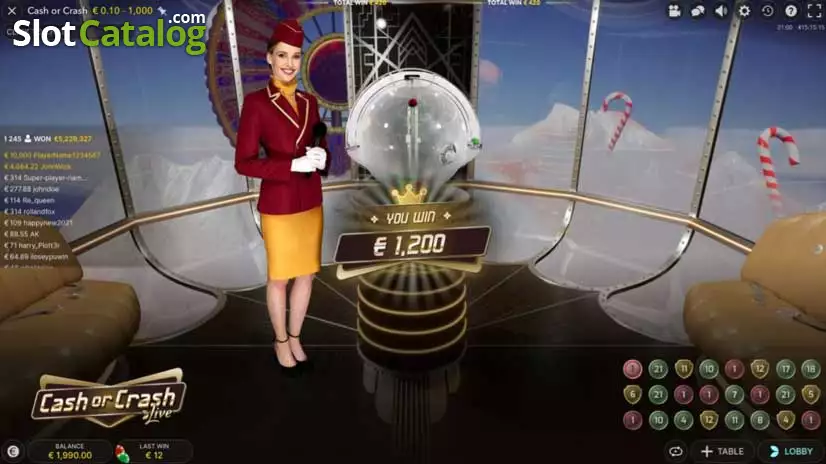
Cash or Crash Live has created a niche in the world of online live game shows, attracting players who want a combination of tactics and randomness. Its popularity stretches across the globe, and an especially lively group of UK players has made an impact on the game’s global landscape. It’s not merely a figure on a chart. It’s a real part of the game’s culture, showing the UK’s lasting taste for novel gaming formats and interactive fun. Let’s look at the UK’s role in the Cash or Crash Live world, what pulls players in, how they play, and what their participation means for this digital arena.
The Attraction of Cash or Crash Live for a International Audience
Cash or Crash Live works because its core idea is gripping no matter where you’re from. The decision is clear but nerve-wracking: grab your growing multiplier before a random crash steals it away. This format combines psychology, risk, and shared excitement in a way that demands no translation. For players globally, from the UK to anywhere else, the format is straightforward and every choice appears weighty. A live host provides a human touch and builds suspense, turning each round into a group event. People from London to Lisbon share the same nervous wait and the same expectation for a payout. The visual of the climbing multiplier and the danger of a crash communicates a story anyone gets, which explains its success in so many various places.
The Future of live game-show formats and UK Engagement
Live dealer and game show formats are only getting bigger, and UK players will be a key part of that growth. We can anticipate more tech integration—improved stream quality, fresh interactive bits, perhaps even personal game stats. For the UK community, this signals a more profound, more immersive experience. The secret to lasting growth will be maintaining the original draw intact: straightforwardness, transparency, and fun, while incorporating new things carefully. As things change, the voice and preferences of seasoned players from places like the UK will be crucial. They’ll help shape games that are thrilling but also trustworthy, making sure the genre matures with its audience.
- Upgraded interactive features permitting for more subtle player-host interaction, like polls or community tasks.
- Increased personalization, such as tracked personal stats, landmark rewards, and customized game proposals.
- Integration with new technologies like VR elements while retaining the game’s approachable core for general audiences.
- Ongoing emphasis on premium, responsive streaming for uninterrupted gameplay, vital for maintaining suspense.
- Deeper community features within platforms, merging the lines between gaming and social networking.
In what ways UK Players Shape the Game’s Atmosphere
When UK players enter a Cash or Crash Live stream, they change the vibe of the room. Their chat style, often packed with quick wit and local slang, develops into a hallmark of the broadcast. Hosts spot and address UK players by name, creating inside jokes and a sense of camaraderie that elevates the whole session. It’s a striking example of how a regional group can leave its culture on a global product. The game’s community transforms into a fusion of international manners and local color, with UK participants frequently establishing a rhythm of keen, lively involvement that encourages others chatting too. This influence appears in the shared language of celebrating a win or groaning at a crash, creating a distinct corner within the wider game.
Social network and Social Connectivity
The appeal for many UK players goes beyond the game screen. A whole community has emerged around Cash or Crash Live. You’ll discover dedicated Discord servers, Twitter conversations, and YouTube channels where people dissect gameplay, applaud big wins, and bemoan bad beats. This social layer changes a solo activity into a group pastime. For players in the UK, linking up with international fans who appreciate the game removes borders and creates a kind of digital clubhouse. The game sparks conversations and fosters common ground, proving that the community around a game can be as rewarding as the game itself. These groups also assist newcomers, providing advice on managing a bankroll and which platforms to use.
Navigating the UK Governing Framework
How UK players get involved is defined by the country’s strict rules, managed by the UK Gambling Commission (UKGC). This framework affects where and how UK players can play cash or crash live. Any authorized site serving the UK must have a UKGC license. That license mandates high standards for game fairness, transparency, and player safety. For the player, this means access to mandatory deposit limits, options to take a break, and clear session reminders. This regulated space creates a sense of security. Players can enjoy having fun, confident they are in a just and transparent system. That confidence is a fundamental requirement for the UK market.
Safeguards for Players and Operator Duties
UKGC rules render safety a shared job. Platforms have to perform affordability checks and watch for signs of problem play. For players, this means a protected environment where the focus is on entertainment, not overspending. These protections even shape the game’s presentation; hosts on streams intended for the UK will often include reminders to play responsibly. Integrating safety into the entertainment like this is a trademark of the UK market. It sets the experience apart from less regulated places and encourages a more balanced way to play.
The Strategic Approaches Observed
Cash or Crash Live is a game of luck, but that doesn’t prevent people from developing their own playbooks for when to bet and when to cash out. Viewing the action, you can spot common styles that draw strategy-inclined players in the UK. Some stick to strict, almost mathematical plans, targeting steady, small profits. Others choose higher risk, waiting for those huge multipliers. You’ll find UK players arguing over these tactics on forums and social media, sharing tales of close calls. This culture of shared dissection doesn’t alter the random core of the game, but it provides a deep layer of involvement. It turns a simple game into a subject for group analysis and debate.
- The Cautious Accumulator: This player cashes out at lower, more frequent multipliers, seeking to steadily grow their balance over many rounds.
- The High-Roller Hunter: This approach involves letting the multiplier run much higher before cashing out, embracing the higher risk for the chance of a substantial payout.
- The Pattern Seeker: While each round is independent, some players watch for perceived sequences or trends in crash points, basing decisions on recent game history.
Comprehending the UK Gaming Landscape
The impressive showing from UK players in games like Cash or Crash Live comes as no surprise when you look at their home turf. The United Kingdom has one of the most developed and tightly regulated online gaming markets on the planet. Players there are familiar with a huge selection of digital entertainment. They’ve seen everything from classic sports betting to complex online casinos and new-wave game shows. This creates a crowd that knows its stuff. They search for games that are fun, but also fair, transparent, and offer a social element. Against this backdrop, the live, host-driven, visually straightforward style of Cash or Crash Live is a perfect match. The game aligns with what this market demands: a smooth combination of entertainment and possible reward, all within a system of strong consumer protections that players have learned to appreciate.
Key Factors Driving UK Player Engagement
A few aspects about the game really resonate for UK-based players. The social side is a major factor. The live chat lets people interact with the host and each other in real time, fostering a community feel. Then there’s the pace. Rounds are fast, decisions are instant, and the action doesn’t stop. This matches the rhythm of modern play. Lastly, even though the game is chance-based, the tiny bit of strategy—choosing when to cash out—attracts players who like to feel some agency, differentiating it from just spinning a slot reel. Put these together and you achieve an engaging experience that slots easily into a quick break or a longer session.
The Role of Familiar Game Show Formats
The UK has a deep well of popular TV game shows, many focused on rising tension and big “deal or no deal” choices. Cash or Crash Live leverages that same psychology. It mirrors a familiar kind of televised suspense, but now the viewer is the participant. That familiarity simplifies understanding. Players don’t waste time on complicated rules; they can dive right into the excitement. The host acts as a game show presenter, directing the action and adding commentary that amplifies the drama—a format that feels right at home in British living rooms.
Comparing Global Gamer Patterns
Players everywhere seek success, but you can spot subtle shifts in how they interact. A UK player might communicate in chat a bit in a unique way than someone from elsewhere other parts in Europe or from Asia. This doesn’t concern one style being preferable. It revolves around societal quirks in communication and how people handle risk. Observing these distinctions can be fascinating. It shows how a individual game design gets interpreted through diverse viewpoint perspectives. A global chat room becomes a tiny model of global exchange, where styles of joy, wit, and feedback combine. Each live session becomes its own unique, cosmopolitan occasion. This variety produces the session more valuable for all.
- Interaction Approach: UK chat often includes more irony and self-mocking humor compared to blunter methods from other regions.
- Risk Preference Debate: Strategic debates in English communities are widespread, revolving around bankroll management strategies and probability.
- Platform Choices: The selection of related platforms for conversation (e.g., particular communities or online platforms) changes across areas, with UK gamers frequently using Discord and Twitter.
- Reaction to Events: Social conventions influence how victories and defeats are shown in discussions, from understated remarks to exuberant celebrations.
Technical Bases and Honesty
The technology behind Cash or Crash Live lies at the heart of its appeal, particularly in a regulated market like the UK. That tech guarantees fairness. The game uses a verified Random Number Generator (RNG) to determine each game’s crash point independently. The system is checked regularly by third-party testers such as eCOGRA or iTech Labs to meet stringent standards. For UK players, sites with a UKGC license must provide transparent info on game fairness and RNG certification. This transparency creates trust. It shows the outcome is pure chance, with no possibility of manipulation. Players can then engage with the game’s suspense, assured in its integrity.
Understanding the RNG and Verifiably Fair Mechanisms
Conventional online casinos employ RNGs, but some crash game sites adopt “cryptographically fair” tech. This allows a player check the fairness of a round after it’s over. It’s not everywhere yet, but the idea matches the UK market’s demand for transparency seamlessly. These systems leverage cryptography to show that neither party knew the crash point beforehand. This demonstrable fairness is a major step ahead for confidence in online gaming. Informed UK players, who seek both fun and honesty, are starting to expect this kind of system or at least a straightforward explanation of how the game works.
FAQ
Does Cash or Crash Live in-demand particularly in the UK?
Indeed, it has a significant following in the UK. The game’s format suits the UK’s mature gaming culture, which enjoys live, interactive, and open game show-style entertainment. UK players are a visible and engaged part of the global community. They regularly define the chat vibe and online discussions, making them an important group for any platform.
Are UK players necessitate a special license to play Cash or Crash Live?
Players do not need a license. But to play within the law, UK players must use an online casino or gaming site that carries a valid license from the UK Gambling Commission (UKGC). This ensures the site functions within the law, follows strict fairness rules, and provides the responsible gaming tools needed for the UK market.
What makes Cash or Crash Live unique from a traditional slot machine?
The main differences are interactivity and the feeling of control. Slots are static once you hit spin. In Cash or Crash Live, you take an active choice every round on when to cash out. You interact directly with a live host and other players. This generates a more calculated and social experience, even though the final conclusion is still random.
Are there strategies to secure wins in Cash or Crash Live?
Not a single method can guarantee a victory. Each round’s crash value is generated from a random number generator, rendering it an unpredictable affair. Users can apply bankroll management tactics, including setting loss limits and choosing cash-out levels beforehand, to control their budget more efficiently and allow their playtime last longer.
In what way is fairness ensured for users, especially from controlled markets including the UK?
Reputable platforms employ certified Random Number Generators (RNGs) to determine each game’s outcome, assuring total randomness. For UK players, platforms with a UKGC license face rigorous independent reviews of their RNGs and game logic. This offers openness and assures the game operates honestly, exactly as advertised.
Is it possible for I interact with the host and other participants while playing the game?
Absolutely. A central element of Cash or Crash Live is the live chat. You can send messages read by the host and other spectators watching. Hosts frequently reply to comments and shout out player names. This generates a energetic, communal, participatory environment that appears more like a TV show than a typical online casino game.
What safe gambling tools should UK players employ?
UKGC-licensed sites offer key tools: deposit limits (daily, weekly, monthly), reality checks (pop-up time reminders), time-out periods (short breaks), and self-exclusion (longer breaks). Employing these tools to control your play is a wise idea. Always set a budget before you start and never try to win back losses. Keep in mind that the main goal is fun.